Plumbing · Natrona Heights, PA
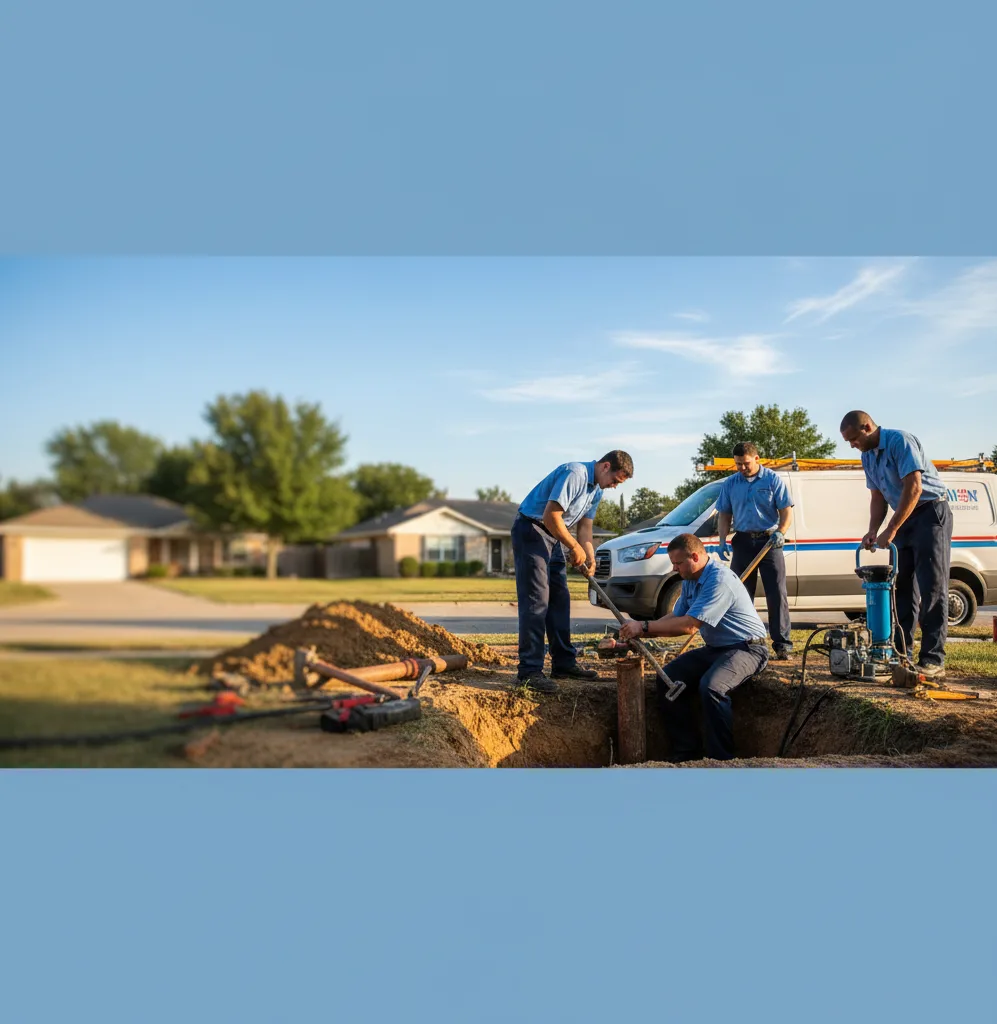
Technicians inspect the line first, then select nozzle size and pressure based on material and diameter. Equipment is carried on the truck so the correct tools are available without a second trip.
Homeowners often notice water backing up in multiple fixtures at once or hear gurgling sounds that return after a plunger is used. These signs point to buildup that has narrowed the pipe rather than a single clog at the trap that drain cleaning would fix. In Natrona Heights older homes with cast-iron sections, grease and soap residue tend to collect at joints where the pipe changes direction. A visual inspection of cleanouts and floor drains can reveal whether the problem is limited to one branch or extends into the main line. Once the pattern is clear, hydrojetting can be scheduled to restore full diameter without repeated snaking.
The technician first selects an access point that allows the hose to reach the affected section. A low-pressure test run checks for leaks or weak joints before full pressure is applied. The nozzle is then advanced at a controlled speed so the water jet cuts through scale and debris while the hose is retrieved. Multiple passes may be needed on longer runs or where roots have entered through joints. Flow gets tested at the end to verify the line is moving water at the expected rate.
Hydrojetting clears stubborn material from drain lines using controlled high-pressure water. Homes in the area rest on clay loam. The ground composition under a structure influences how roots or debris reach sewer lines over decades of use. Proper equipment settings account for these differences without unnecessary risk to the piping.
Local taps supply moderately hard water. The mineral profile of the water affects how quickly scale collects inside older lines. The area sees warm summers and hard winters, around 30 inches of snow a year, and 145 nights below freezing. Seasonal shifts can change how often lines need attention to maintain steady flow. Technicians adjust their methods to match the actual conditions found at each property.
FAQ

Noise usually comes from sediment that has settled at the bottom of the tank and is being heated repeatedly. The sound can range from popping to rumbling depending on how much material has accumulated. Flushing the tank removes most of the sediment and quiets the unit. In some cases the dip tube has broken and is directing cold water directly onto the heating element, which also creates noise.
The task requires shutting off power or gas, draining the tank, and working with electrical connections or gas fittings. Incorrect reassembly can create leaks or safety hazards. Most homeowners lack the specific tools needed to torque the new element correctly. A licensed technician performs the replacement and tests the unit afterward.
The interval depends on local water hardness and how much hot water the household uses. In areas with moderate hardness, once a year is usually sufficient. Homes with very hard water may benefit from flushing every six months. A technician can check the amount of sediment during the first service call and recommend a schedule based on what is found.
Water Heater Repair & Plumber across Natrona Heights, PA. Call (888) 205-2213.
Call (888) 205-2213